
Gannan Grassland
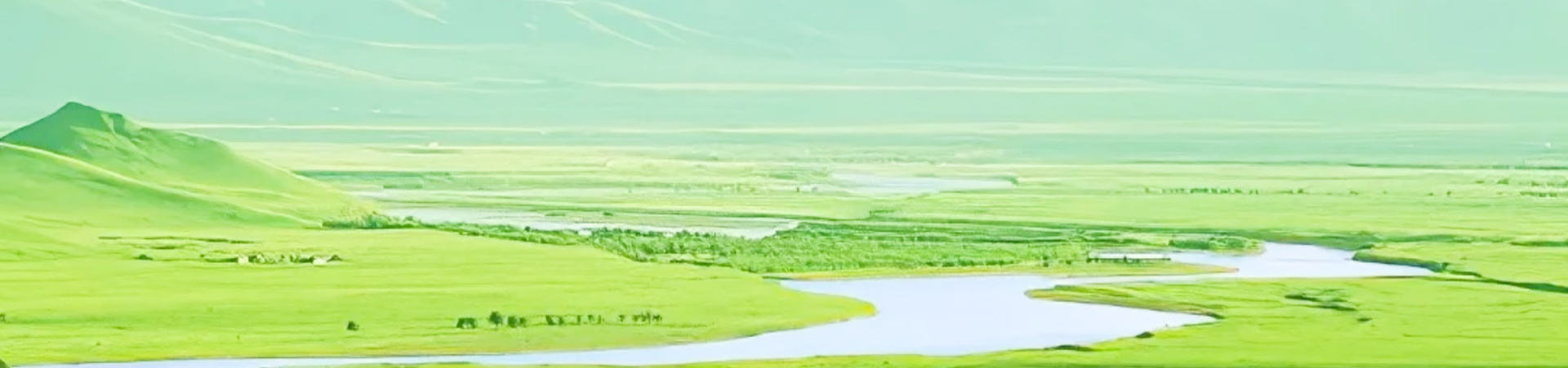
The Gannan Grassland, nestled in the southern reaches of Gansu Province, is China’s largest alpine meadow and a vibrant crossroads of Tibetan Buddhism, nomadic traditions, and natural splendor. Known as the "Little Tibet of the East," this 40,000-square-kilometer expanse of rolling hills, crystal-clear lakes, and snow-capped peaks offers a window into the region’s unique blend of Tibetan and Han cultures. Its grassy plateaus, home to yak herders and Tibetan monasteries, have long inspired poets and pilgrims alike.
Historical Overview
Gannan’s grasslands have been inhabited by Tibetan and Qiang nomads for millennia, with traces of ancient settlements dating back to the Neolithic era. The region emerged as a cultural and religious hub during the Tang Dynasty (7th–10th centuries), when Tibetan Buddhism spread eastward. By the Yuan Dynasty (13th–14th centuries), Gannan became a strategic frontier, bridging the Tibetan Plateau and the Central Plains. Today, its history is preserved in ancient monasteries like Labrang and Langmusi, which date back to the 18th century.
Structural Layout
The grassland is divided into three sub-regions:
Maqu Grassland: Famed for its vast wetlands and the Yellow River’s "First Bend."
Sumu Grassland: A hub for Tibetan yurt villages and equestrian festivals.
Luohuoshan Grassland: Home to the sacred Labrang Monastery and rugged mountain vistas.
Major Attractions
Labrang Monastery: A center for Tibetan Buddhism studies, featuring intricate murals, golden Buddha statues, and a 3-km-long prayer wheel corridor.
Sangke Grassland Festival: Held in July/August, this event showcases Tibetan horse racing, archery, and folk dances.
Langmusi Monastery: Perched on a hillside, it offers panoramic views of the surrounding steppes and is a pilgrimage site for Tibetan Buddhists.
Yellow River First Bend: A dramatic curve where The Yellow River snakes through the grassland, ideal for sunrise photography.
Equestrian Culture Villages: Tourists can stay in Tibetan yurts, ride horses, and learn traditional butter-carving techniques.
Alpine Lakes: Gahai Lake and Darlag Lake are migratory bird habitats and sacred sites for local herders.
Nomadic Heritage Museum: Displays yak-hair tents, silver jewelry, and ancient tools used by Tibetan nomads.
Suggested Itineraries
Short Visit (1–2 Days)
Day 1: Labrang Monastery → Sangke Grassland Festival (seasonal) → Yellow River First Bend.
Highlights: Monastery rituals, horse races, and sunset photography.
Cultural Immersion (3–4 Days)
Day 1: Labrang Monastery → Nomadic Heritage Museum.
Day 2: Langmusi Monastery → Darlag Lake trek.
Day 3: Gahai Lake birdwatching → Tibetan yurt stay.
Highlights: Monastic debates, lake hikes, and traditional hospitality.
Extended Exploration (5–7 Days)
Add Maqu Grassland wetlands, Luohuoshan hikes, and workshops on Tibetan medicine.
Highlights: Herbal medicine tours, wetland ecology, and mountain monasteries.
Ticket Purchase
Labrang Monastery: ¥40 (adults), ¥20 (students).
Sangke Grassland Festival: Free (but horse racing tickets cost ¥50–¥100).
Yellow River First Bend Viewpoint: ¥30.
Nomadic Heritage Museum: ¥20.
Tibetan Yurt Stays: ¥150–¥300 per night (includes meals).
Air: Fly to Xiahe Airport (GXA), then a 1-hour taxi to Labrang.
Train: Take a train to Lanzhou (4 hours from Beijing/Xi’an), then a 5-hour bus to Xiahe.
Bus: Direct buses from Lanzhou South Bus Station to Xiahe (¥80, 5 hours).
Local Travel: Rent a motorcycle (¥100/day) or hire a guide for trekking.
Best Time & Tips
Peak Season: June–September (mild weather, festivals).
Avoid Crowds: Skip national holidays (e.g., Golden Week in October).
Weather: Pack layers—daytime temperatures vary from 15°C to 25°C, but nights drop below 5°C.
Essentials:
Respect monastery rules (no photography in prayer halls).
Bring sunscreen, hats, and mosquito repellent.
Learn basic Tibetan greetings (e.g., Tashi Delek).


Contact Us
What Our Clients Say?
Based on 10,000+ traveler reviews

Daniel Dorothea
Canada
Reviewed on April 29,2025
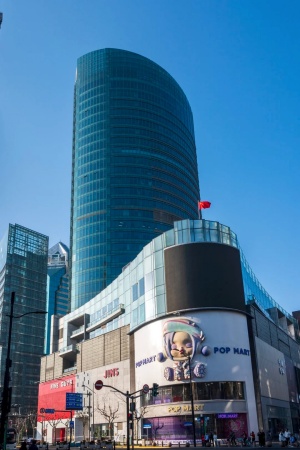
Shopping on Nanjing Road in Shanghai was just amazing! It's truly the "First Commercial Street of China", where tradition and modernity blend perfectly. You can find awesome souvenirs and experience the trendy vibes in cool stores. The neon lights at night are just spectacular, shining bright like Times Square in New York. The food here is incredible too. I had a feast for my taste buds. Shanghai, I'll definitely be back!
Destination(s):
Shanghai
Date of
Experience:
May 08,2024

Elvis Eva
Canada
Reviewed on June 20,2025
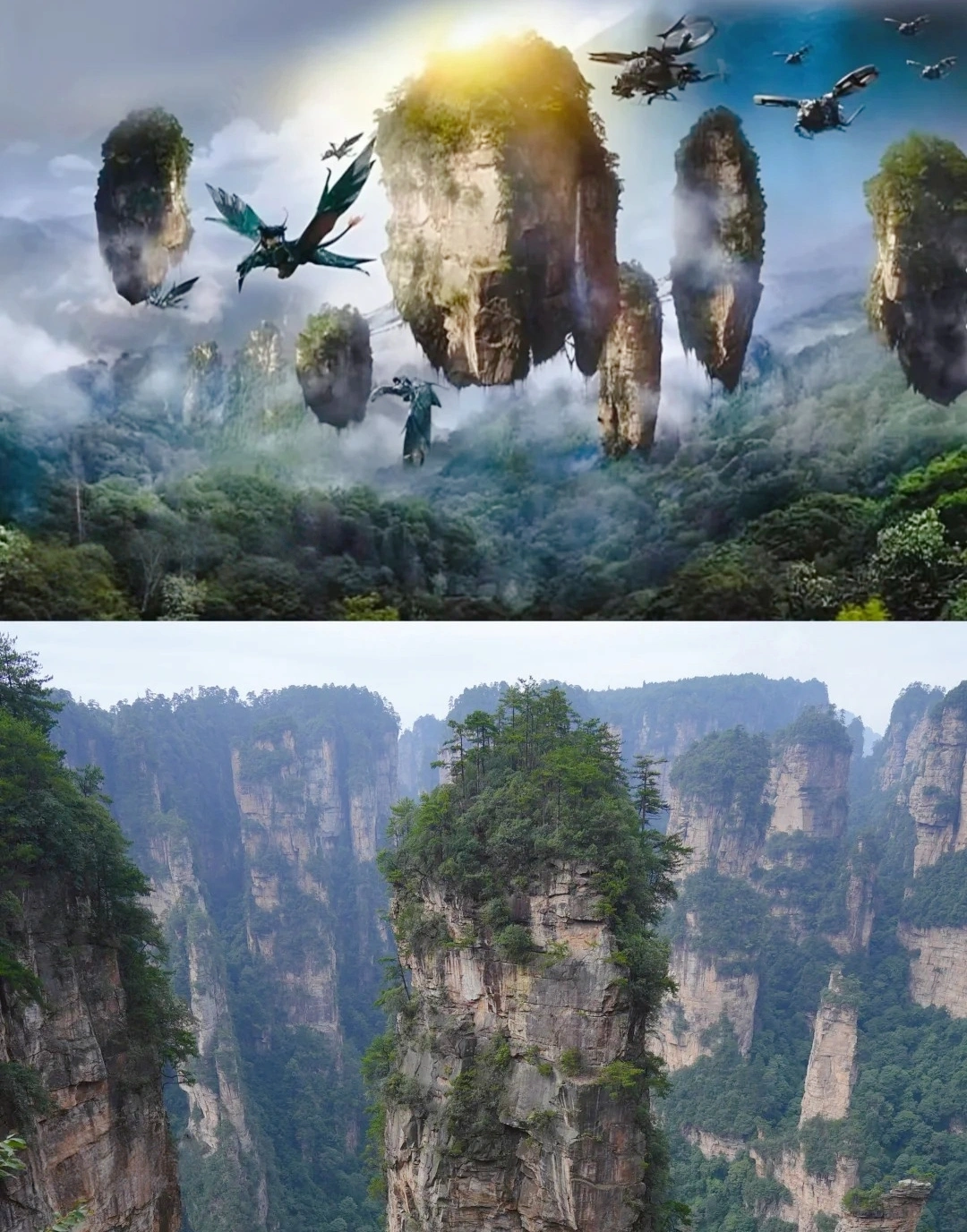
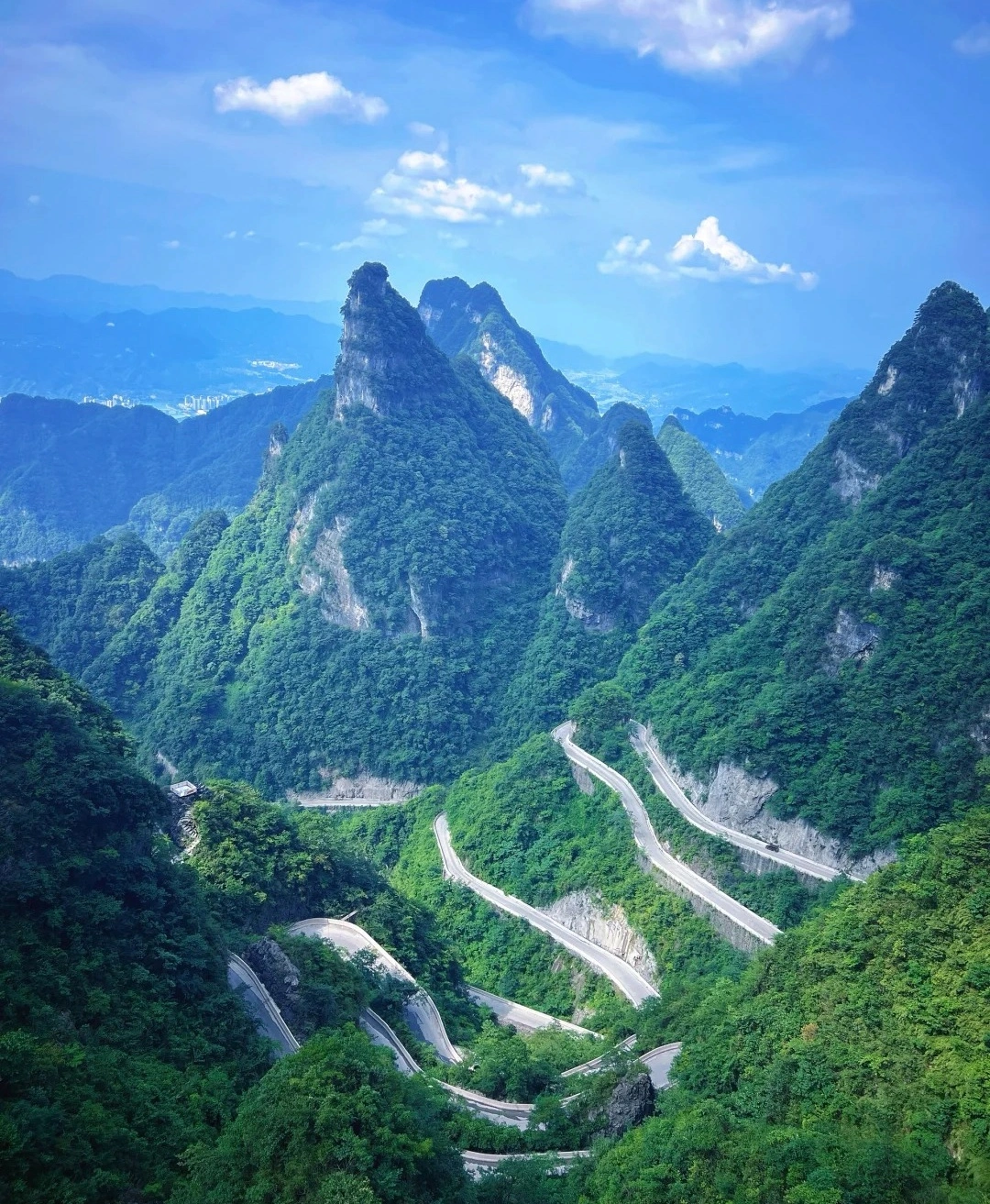
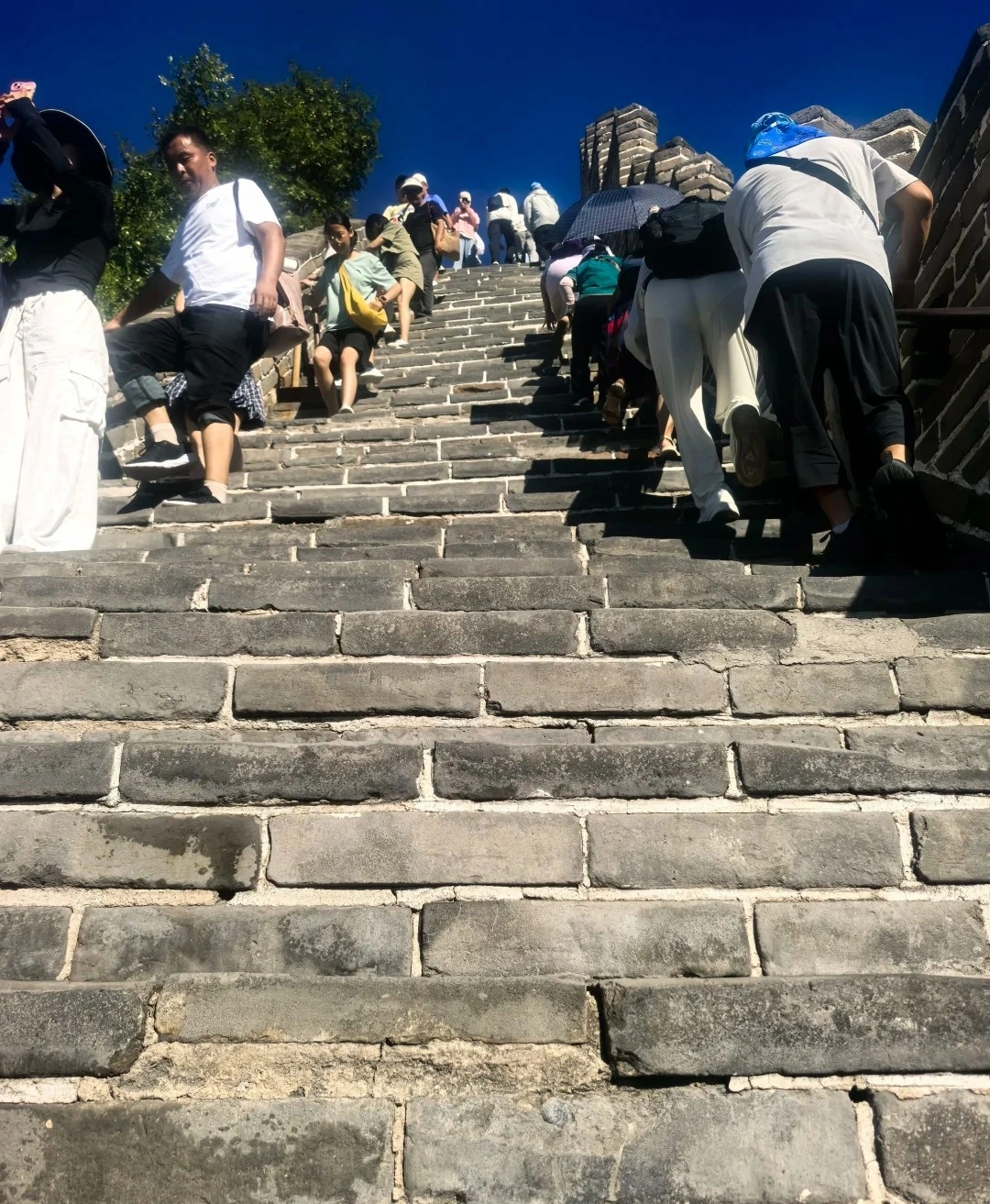
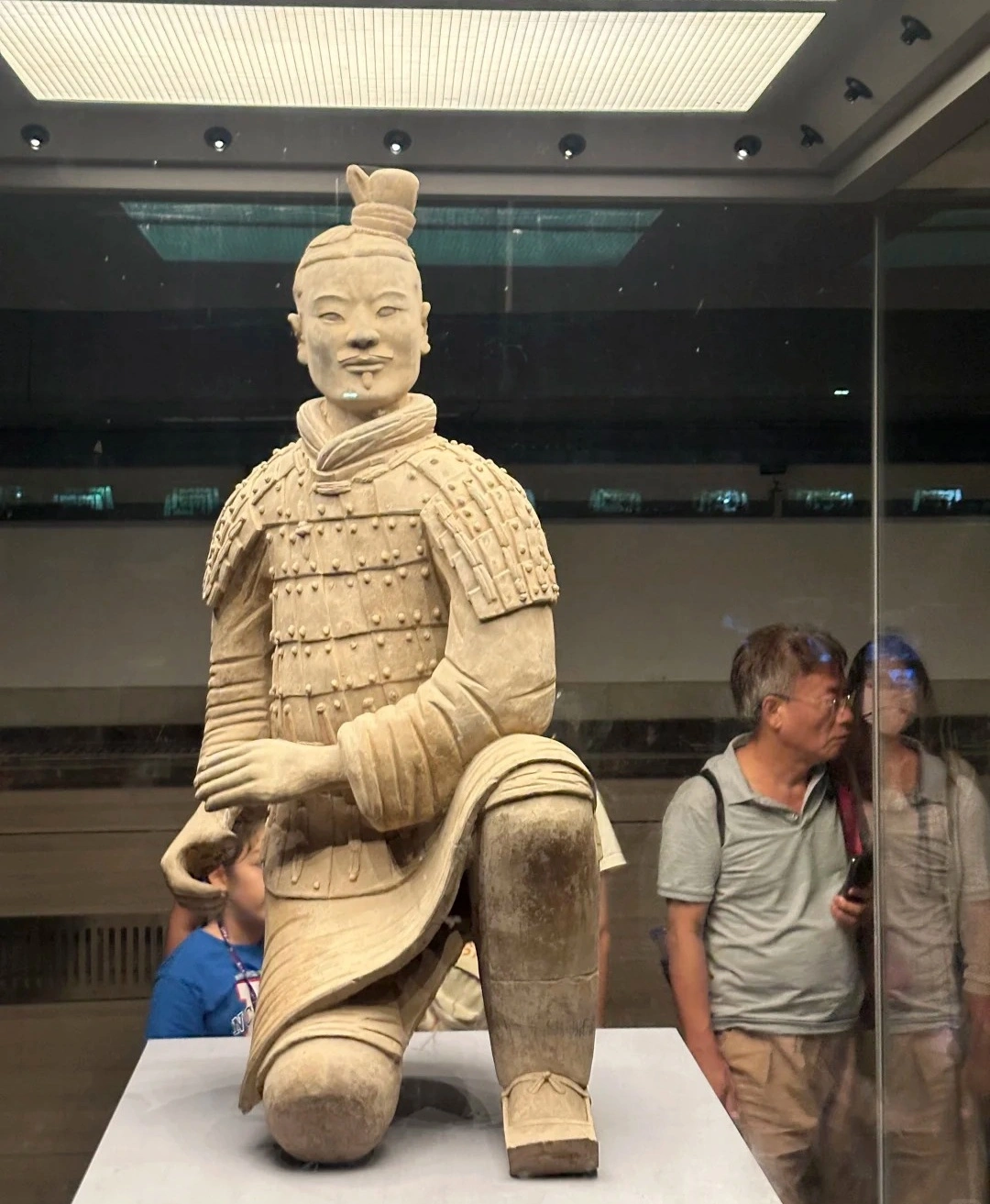
As a solo traveler from Canada, I was nervous about navigating China alone—but this 11-day tour was PERFECT! From hiking the Great Wall at sunrise (Day 3) to gasping at the Terracotta Army (Day 5), every day delivered ‘pinch-me’ moments. The real showstopper? Zhangjiajie’s Avatar Mountains (Day 7)! Our guide made the stone pillars come alive with stories.
Massive thanks for handling all logistics—bullet train tickets, entry passes, car! And the 4-star hotels surprised me.
Destination(s):
Beijing Xian Zhangjiajie Shanghai
Date of
Experience:
June 02,2025

Simon
America
Reviewed on May 29,2025
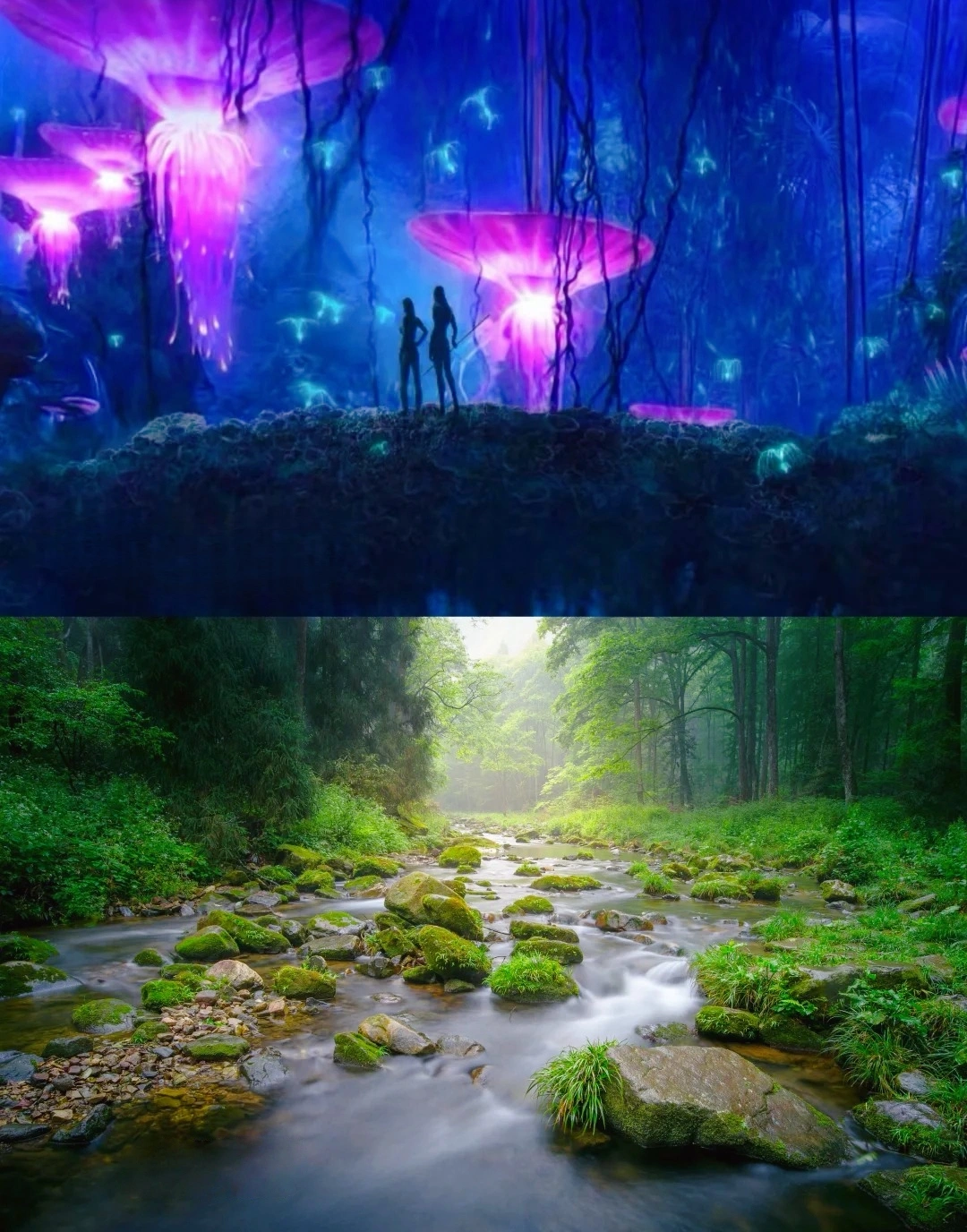
Our 2-day Zhangjiajie tour was beyond spectacular! As someone who’s visited Beijing and Shanghai for work, this trip revealed China’s wild, magical heart. Day 1 in Zhangjiajie National Forest Park felt like stepping onto Pandora—I’m a huge Avatar fan, and Yuanjiajie’s floating peaks left me breathless. The misty pillars and lush valleys like pure movie magic!
Then came Fenghuang Ancient Town, we eat dinner beside the thundering waterfall. It seems Unreal! The night views of stilt houses glowing over the river were straight from a fairy tale.
For fellow Avatar lovers and adventure seekers: Don’t miss this bucket-list experience! 10/10 would return.
A Well-Traveled Film Buff, May 2025
Destination(s):
Zhangjiajie
Date of
Experience:
May 08,2025